Author name: LTBM Auto Service Center

Blog

THE IMPACT OF RUNNING YOUR GAS TANK TOO LOW

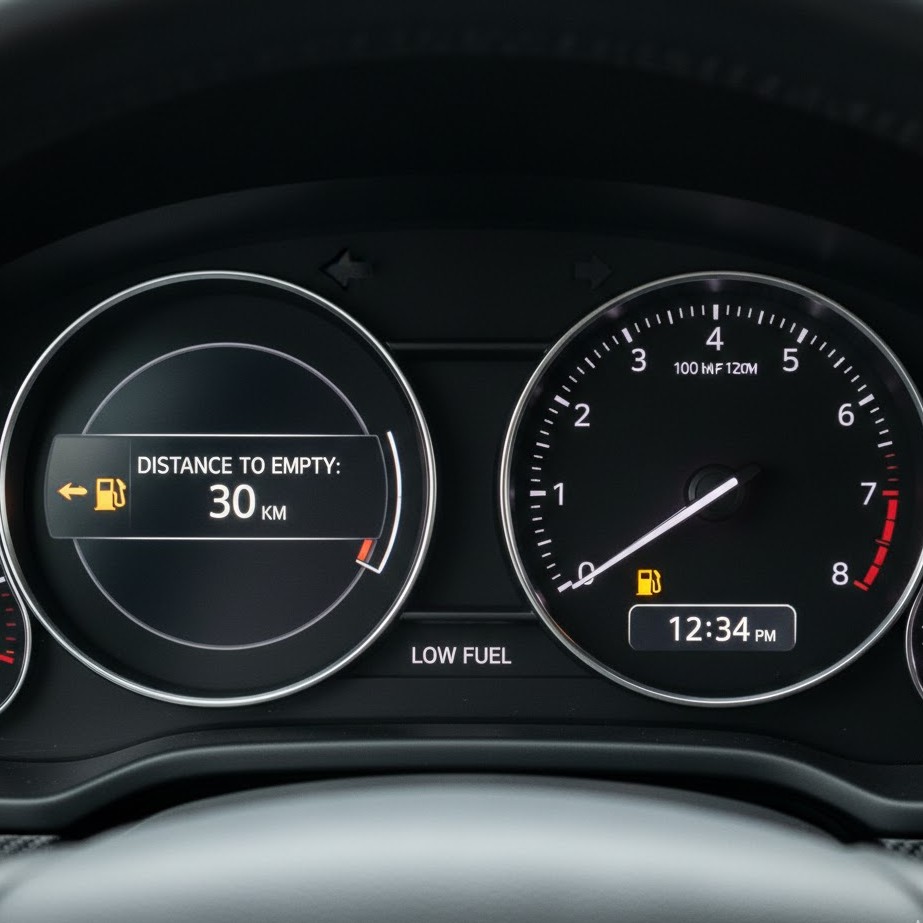
1. Protecting Your Fuel Pump Your fuel pump relies on gasoline for cooling and lubrication. When the tank runs low, the pump may draw in air instead of fuel, causing it to overheat and wear out prematurely. This can lead to costly repairs that are easily avoidable with regular refueling. 2. Avoiding Sediment and Contaminants Small amounts of sediment and impurities naturally settle at the bottom of your fuel tank. Operating on very low fuel levels can stir up these particles, allowing them to enter your fuel system. Over time, this can clog filters, injectors, and other critical components, reducing engine performance and efficiency. 3. Reducing Engine Strain A low fuel level makes your engine work harder to pull fuel from the tank. This added strain can lead to hesitation, misfires, and decreased overall performance—problems that can be prevented by maintaining a healthy fuel level. 4. Maintaining Optimal Fuel Efficiency Modern vehicles rely on a precise balance of fuel and air for maximum efficiency. Running with minimal fuel can disrupt this balance and lead to reduced gas mileage, costing you more at the pump in the long run. 5. Preventing Vapor Lock and Starting Issues Low fuel levels increase the risk of vapor lock—when fuel evaporates before it reaches the engine. This can make your vehicle difficult to start, especially in hot weather, and can disrupt your driving plans unexpectedly. 6. Avoiding Fuel Degradation Gasoline can degrade over time. If your tank is consistently low, fuel may sit longer than it should, reducing its effectiveness and negatively impacting engine performance. 7. Staying Safe on the Road Running out of gas at the wrong moment can put you in a vulnerable situation, whether you’re on a busy highway or in an unfamiliar area. Maintaining a comfortable fuel level helps ensure you always have enough to reach a safe location or nearby gas station.


Service

Brake Inspection and Repair

Your vehicle’s brakes play a vital role in keeping you safe on the road. Routine inspections and timely maintenance help prevent costly problems and ensure dependable performance. At LTBM Auto Service Center, we offer expert brake repair and maintenance services to keep you driving safely and confidently. What We Offer ABS Service & Diagnostics Brake Calipers Fluid Exchange Pads Replacement Rotors Replacement Rotor Resurfacing ABS System Service & Repairs Drum & Rotor Service Hydraulic System Diagnosis & Repair Brake Inspection Brake Line & Hose Replacements CONTACT US TODAY Schedule your appointment today and experience the difference of our professional, reliable service. Office : (408) 298-7777 (Call only). Cell : (669) 265-8231 (Text/Call)

Service

Air Conditioning Maintenance

AIR CONDITIONING MAINTENANCE AND REPAIR SERVICES LTBM Auto Service Center is the go-to shop when your car’s air conditioning isn’t working properly. Driving in hot weather without a reliable AC can be uncomfortable and even risky, so if you notice warm air or poor cooling, our skilled technicians are here to inspect, repair, and maintain your system to keep you cool and comfortable all year long. COMPREHENSIVE AIR CONDITIONING SERVICES At LTBM Auto Service Center, our ASE-certified professionals specialize in diagnosing and repairing a wide range of automotive air conditioning problems. With convenient location at 222 Keyes St UNIT 104, San Jose, CA 95112, we’re the trusted destination for all your car AC service and maintenance needs. Seasonal Checkups: To keep your system performing at its best, we recommend a full AC inspection each spring before temperatures rise. During this service, we examine the drive belt for wear, check for leaks or damage in system components, and assess compressor efficiency. If we find any issues, we’ll provide clear recommendations for repairs. Cutting-Edge Tools and Technology: Our team uses the latest diagnostic and repair equipment to ensure precise results. This includes safely removing old refrigerant, running a vacuum test to identify leaks, and refilling your system with the correct type and amount of refrigerant according to your manufacturer’s guidelines. COMMON AIR CONDITIONING PROBLEMS If you notice any of the following signs, your vehicle’s air conditioning system may need attention: Inconsistent Cooling: The air feels only mildly cool even when the A/C is set to maximum. Warm Air: The system blows warm or hot air instead of cold when the A/C is on. No Airflow: Little to no air comes through the vents when you activate the air conditioning. Unusual Sounds or Odors: Strange noises or unpleasant smells occur while the A/C is running. CONTACT US TODAY Schedule your appointment today and experience the difference of our professional, reliable service. Office : (408) 298-7777 (Call only). Cell : (669) 265-8231 (Text/Call)

Blog

ENGINE OVERHEATS: WHAT TO DO?

An overheating engine is a serious issue that can be caused by various issues, such as a coolant leak, a faulty thermostat, or a broken radiator fan. If ignored, it can lead to major engine damage and costly repairs. However, acting quickly and correctly when your engine begins to overheat can help prevent long-term harm. Signs of overheating include a rising temperature gauge, steam coming from the hood, or strange smells from the engine bay. What are the essential steps to take when your car’s engine overheats? DURING DRIVING TURN ON THE HEATER Turning on your heater helps draw excess heat away from the engine, allowing it to release into the air more effectively instead of building up inside the vehicle. If using the heater isn’t an option, roll down the windows to improve airflow. If your car has air conditioning, switch it on as well. This can temporarily reduce engine temperature until you can stop. STOP DRIVING IMMEDIATLY BEFORE FURTHER DAMAGE If your vehicle begins to overheat while you’re driving, the first priority is to ensure your safety and prevent further damage to the engine. As soon as it is safe to do so, carefully pull over to the side of the road—preferably on level ground, but if you’re on an incline, choose a secure location where your vehicle will remain stable. Once stopped, turn off the engine completely. It is critical that the engine is no longer running and has time to cool before you attempt to inspect the vehicle or exit. Allow the engine to sit and cool for at least 15 to 30 minutes. Avoid turning off the ignition without properly shutting down the engine, as this could cause additional stress on the cooling system. While waiting, you can open all windows, vents, and even the sunroof (if applicable) to promote airflow and reduce heat inside the cabin. Once the vehicle has cooled down, contact a certified mechanic or local auto repair service for assistance. Continuing to drive an overheating vehicle can lead to severe engine damage, so professional evaluation is strongly recommended before operating the car again. CHECK THE COOLANT LEVEL Begin by inspecting the coolant level only after the engine has completely cooled down, as opening the system while it’s hot can be dangerous. Start by examining the radiator, the coolant reservoir, and, if your vehicle has one, the overflow tank. These areas will help you determine whether the cooling system is low on coolant or in need of antifreeze. If the coolant levels appear adequate and there are no visible signs of a leak, yet the engine continues to overheat, the issue may lie elsewhere—such as a faulty thermostat or a malfunctioning temperature sensor. In such cases, further diagnostic testing by a qualified technician is recommended.

Blog

THE HIDDEN BENEFITS OF REGULAR OIL CHANGES

Many drivers understand that oil changes are necessary, but few realize the full extent of their benefits. Beyond simply lubricating engine parts, clean oil helps reduce friction, prevent overheating, and keep your engine running smoothly. Over time, oil becomes dirty and less effective, which can lead to costly repairs if left unchanged. Regular oil changes help remove harmful debris and sludge that build up in the engine over time. By staying on top of this basic maintenance task, you’re protecting one of the most vital components of your vehicle. One hidden benefit of regular oil changes is improved fuel efficiency. When your engine runs on clean oil, it operates more efficiently and requires less energy to function. This results in better mileage and fewer trips to the gas station. Additionally, well-lubricated engine parts reduce strain, meaning your car doesn’t have to work as hard to perform. Over the life of your vehicle, this can lead to significant savings in fuel costs. Another lesser-known advantage is that routine oil changes can help extend the overall lifespan of your vehicle. Engines that are properly maintained with clean oil tend to experience fewer issues and maintain performance for much longer. This also enhances the resale value of your car, as a well-maintained engine is a major selling point. Regular oil changes give your mechanic a chance to inspect other components and catch potential problems early. In the long run, it’s a small investment that brings big returns in reliability and peace of mind.

Blog

MAINTENANCE YOUR CAR 101: SERVICE YOU SHOULD PUT ON THE CHECKLIST (part 1)

Regular car maintenance isn’t just about keeping your vehicle running — it’s about safety, performance, and saving money in the long run. Ignoring basic upkeep can lead to costly repairs and unexpected breakdowns. In this series, we’ll highlight the top 3 essential car maintenance services every driver should keep on their checklist. Let’s start with the first must-do check up in under 1 year for your car’s health. SHORT TERM CHECK-UPS 1. Brake Inspection Brake inspection is an essential component of preventative vehicle maintenance, critical for ensuring optimal braking performance and road safety. Over time, components such as brake pads, rotors, calipers, and hydraulic fluid can deteriorate due to wear and environmental factors, compromising the system’s reliability. Routine inspections allow certified technicians to detect early signs of wear or malfunction, preventing costly repairs and potential safety hazards. At our auto service center, we utilize advanced diagnostic tools and follow manufacturer-recommended guidelines to deliver comprehensive brake system evaluations for your peace of mind. 2. Fluid Check and Change Fluid check and change is a vital aspect of scheduled vehicle maintenance, crucial for preserving the performance and longevity of your engine and related systems. Monitoring fluid levels—including engine oil, coolant, brake fluid, transmission fluid, and power steering fluid—ensures proper lubrication, cooling, and hydraulic function. A comprehensive inspection also includes identifying potential visual leaks, which can indicate system wear or component failure. Depending on your vehicle and driving conditions, you may need to change the oil and oil filter every 3,000 miles or 3 months, though many modern vehicles can go 5,000 to 10,000 miles between oil changes as recommended in the owner’s manual. 3. Headlights, Turn Signals, Parking Lights It’s easy to overlook, but making sure your vehicle’s lighting system is fully operational is key to both safety and legal compliance. Once a month, park in front of a flat surface and switch on your headlights to check for proper alignment and brightness. Take a quick walk around your car to inspect turn signals, parking lights, and side markers for any issues. For brake lights, ask a friend to stand behind the vehicle while you press the brake pedal to confirm all rear lamps are illuminating correctly.    

Scroll to Top